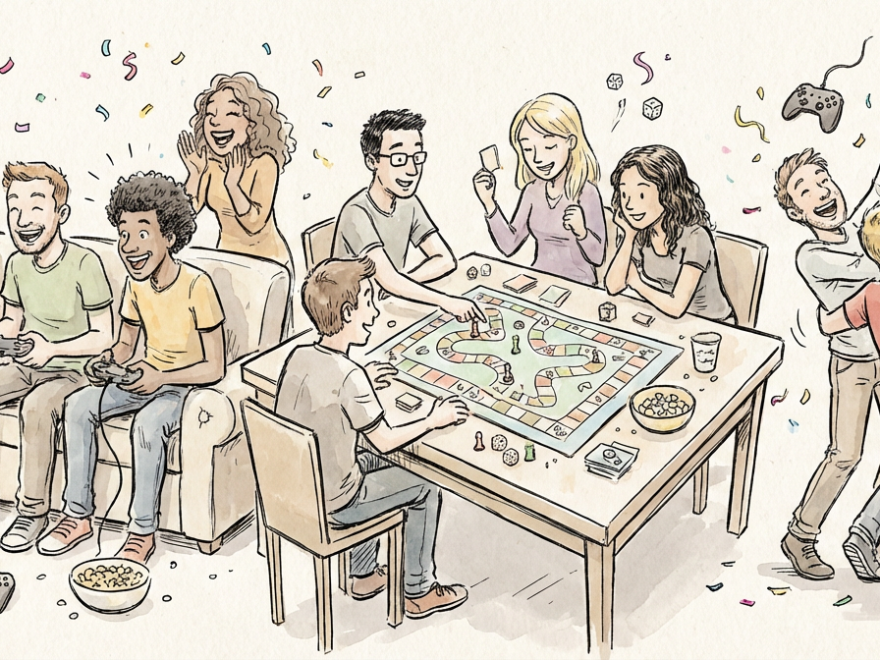
When Four Controllers Actually Mattered
Remember when having four controller ports built into your console felt like the future arriving early? The Nintendo 64 didn’t just give us that fourth port as an afterthought. It was a deliberate invitation to chaos, friendship, and the kind of gaming moments that live rent-free in our heads decades later. But here’s the thing about nostalgia: it’s a beautiful liar. Those legendary couch sessions weren’t perfect just because they happened in our living rooms.
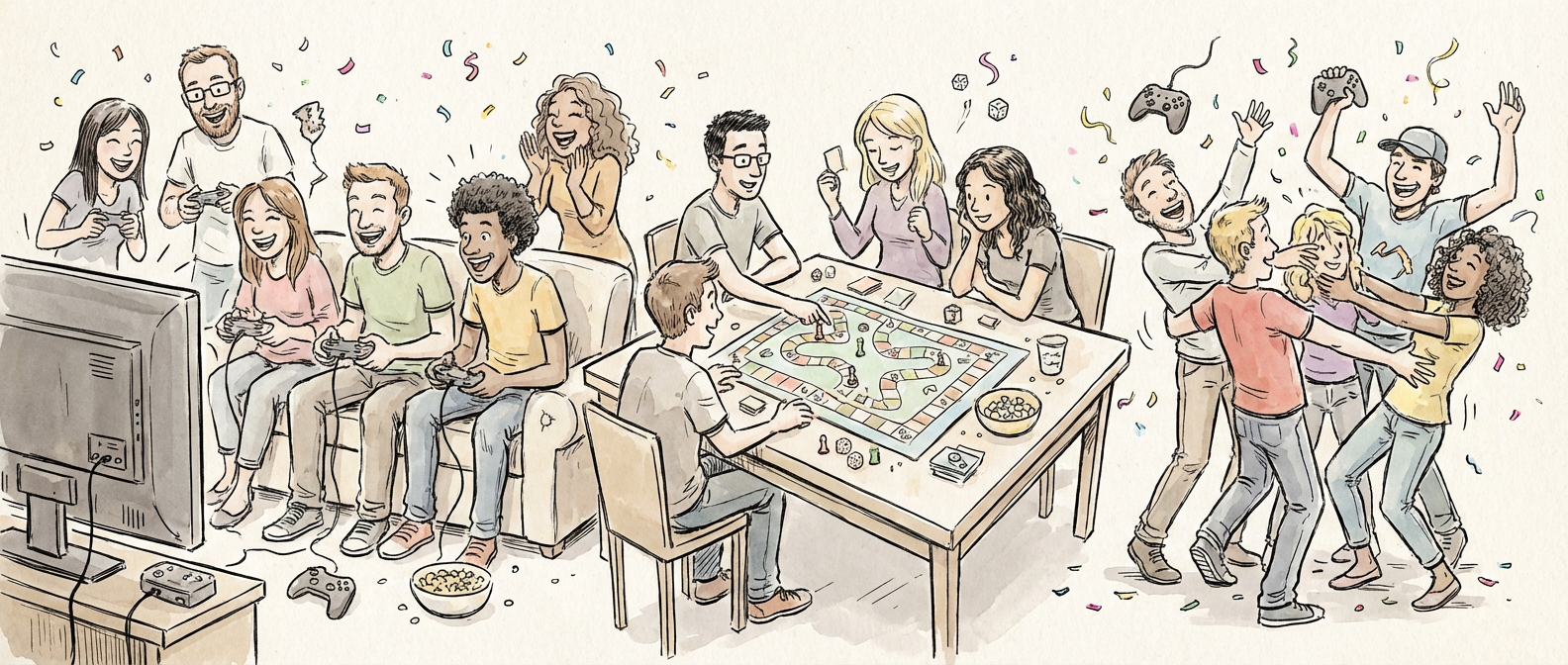
Looking back with clear eyes, what made games like GoldenEye 007 and Super Smash Bros. special wasn’t just their local multiplayer capabilities. It was the context. We had fewer options, so we committed harder. No one was half-playing while scrolling their phone because phones couldn’t scroll yet. The friction of getting everyone together meant we stayed together. These games succeeded on their own merits, sure, but also because they existed in a world that demanded more intentional social gaming.
That said, GoldenEye’s split-screen multiplayer is still a masterclass in accessible competitive design. The weapon variety gave every player a chance to find their niche, whether you were the friend who dominated with the RCP-90 or the one who somehow made the Klobb work. The map design understood that four players needed room to breathe and multiple paths to avoid becoming predictable. Most importantly, it scaled difficulty naturally through its community rather than through AI. This created those perfect moments where skill gaps dissolved into pure, chaotic fun.

The Renaissance We’re Actually Living Through
While we’ve been mourning the “death” of local multiplayer, developers like those at Team17 and smaller studios have been quietly building its future. Games like Overcooked! and Stick Fight: The Game understand something important: local multiplayer works best when it embraces controlled chaos rather than demanding precise coordination.
Overcooked! deserves special recognition for solving the fundamental problem that killed many classic co-op experiences: the skill gap. By making communication and coordination more important than individual dexterity, it creates space for players of wildly different gaming backgrounds to contribute meaningfully. Your grandmother who’s never held a controller can absolutely be the team MVP when she masters the art of chopping onions while everyone else runs around like caffeinated squirrels.
Moving Out, from the same publisher, takes this formula and applies it to furniture physics with results that are somehow both more frustrating and more delightful. These games succeed because they’ve learned from thirty years of local multiplayer design. The best party games create stories, not just high scores. They generate those “remember when you threw the couch out the window instead of through the door” moments that become part of your group’s mythology.
The Hidden Gems Your Collection Needs
Boomerang Fu might be the most slept-on local multiplayer game of the past few years. Developed by Cranky Watermelon, this tiny Australian studio created something that feels like the spiritual successor to the best parts of Super Smash Bros. Melee’s chaos without any of the execution barriers. Every character throws boomerangs. Every boomerang can be caught and redirected. The power-ups are simple enough to understand instantly but create emergent strategies that unfold over dozens of matches.
What makes Boomerang Fu brilliant is its commitment to the one-more-game loop. Matches are quick, the skill floor is incredibly low, but the ceiling keeps revealing new layers. It’s the rare modern game that captures that “just five more minutes” energy that used to define entire gaming sessions. The art style might look simple, but don’t mistake minimalism for lack of depth.
For something completely different, Heave Ho from Le Cartel Studio shows what happens when developers fully commit to a single, weird mechanic. You’re basically sentient arms trying to swing across gaps and obstacles. It sounds ridiculous because it absolutely is, and that’s exactly why it works. The learning curve creates natural comedy as players gradually transform from flailing disasters into graceful, cooperative acrobats.
What We Lost and What We Gained
The honest truth is that modern local multiplayer games often surpass their predecessors in pure design terms. Better netcode means smoother experiences when friends can’t physically gather. More sophisticated balancing tools mean fewer matches decided by character selection screens. Quality-of-life improvements we take for granted, like the ability to pause mid-match or easily adjust settings, remove friction that used to derail entire gaming sessions.
But we’ve also lost something harder to quantify: the shared cultural moments. When everyone had the same console and the same handful of games, mastering Super Mario Kart or Street Fighter II felt like joining a universal conversation. Today’s incredible diversity of options means we’re less likely to share those common reference points. The trade-off isn’t necessarily bad, but it is different.
What hasn’t changed is the fundamental appeal of sitting next to someone and sharing an experience in real time. The delayed reactions, the trash talk that’s impossible to replicate through headsets, the way a great local multiplayer game can transform a quiet evening into an event. These elements don’t depend on nostalgia. They’re hardwired into how we connect with each other.
Building Your Modern Couch Collection
If you’re building a local multiplayer library today, start with variety over depth. You want games that work for different group dynamics and energy levels. Cuphead for when you want to suffer beautifully together. Lovers in a Dangerous Spacetime for cooperative harmony. Crawl for when someone needs to be the villain. The goal isn’t to find the perfect game. It’s to have the right tool for whatever social energy walks through your door.
Consider accessibility beyond just difficulty. Games with simple control schemes welcome more players into the conversation. Visual clarity matters more than graphical fidelity when four people are squinting at the same screen. Audio design that clearly communicates important information helps everyone stay engaged even during chaotic moments.
The best local multiplayer experiences have always been about the people more than the pixels. These games are excuses to gather, frameworks for creating shared stories, and catalysts for the kind of laughter that makes your cheeks hurt. Whether you’re rediscovering classics or diving into modern gems, the magic happens when you hit start together.
What’s your current go-to when friends come over? Are there any hidden gems in your collection that deserve more recognition? The local multiplayer scene thrives on word-of-mouth recommendations, so drop your favorites in the comments and let’s build the definitive couch gaming guide together.