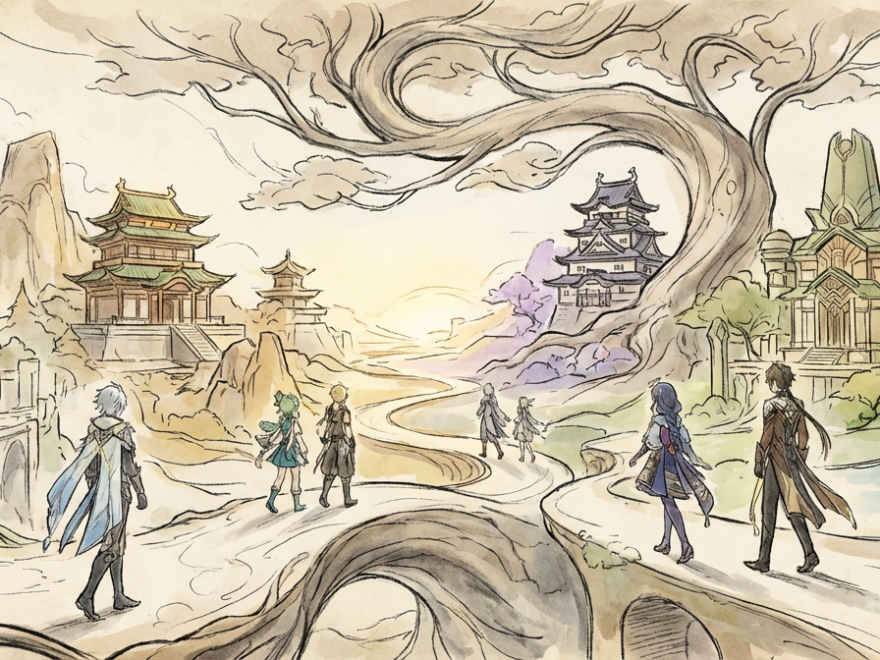
Before getting into the specifics, it’s worth establishing why this particular development sits at an intersection that gaming audiences understand better than most.
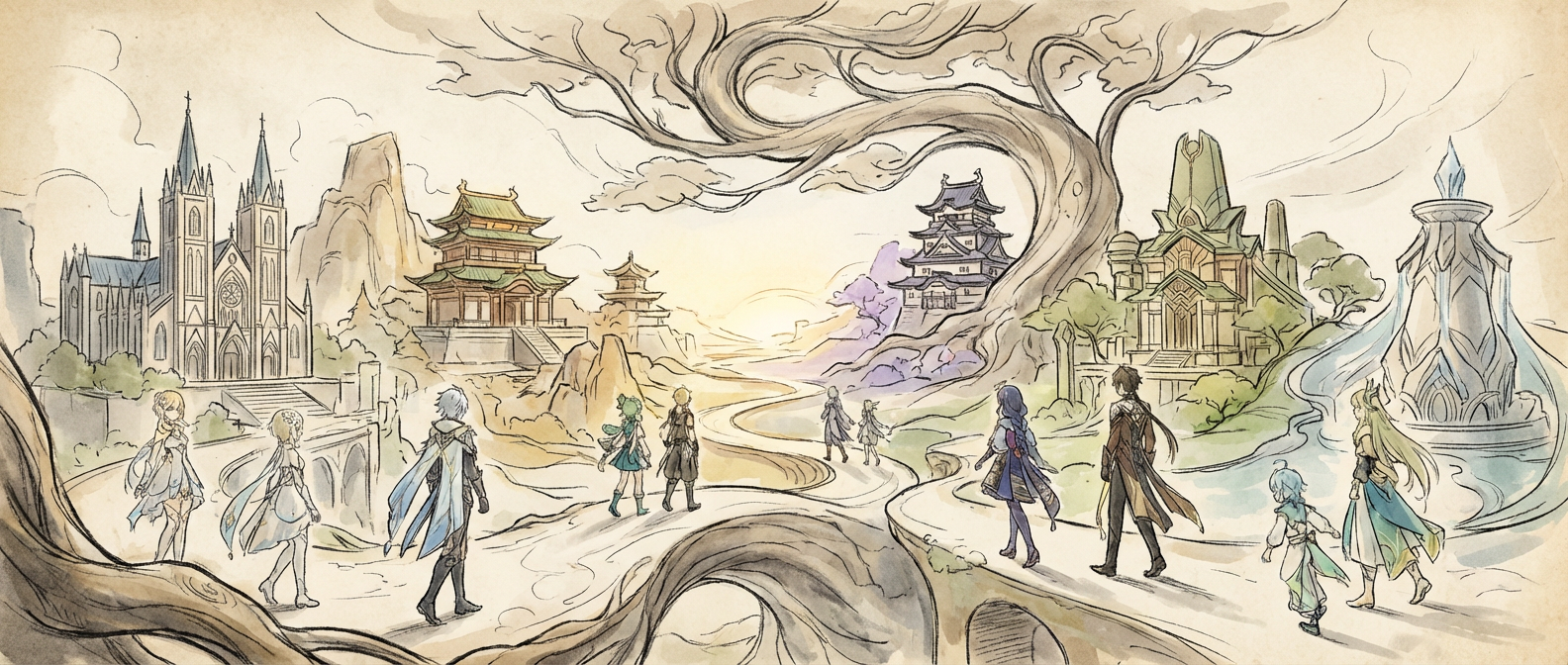
A Genre Pioneer That Refuses to Stand Still
One of the best things about the current gacha scene is the sheer variety. There are more quality options available right now than at any point in the genre’s history, and exploring them is genuinely rewarding. Yet even in this crowded field, Genshin Impact continues to command attention as it approaches its fifth anniversary. What started as an ambitious open-world experiment has grown into something far more substantial.
The pattern here is familiar once you’ve seen it a few times. Here’s what I keep coming back to on this.
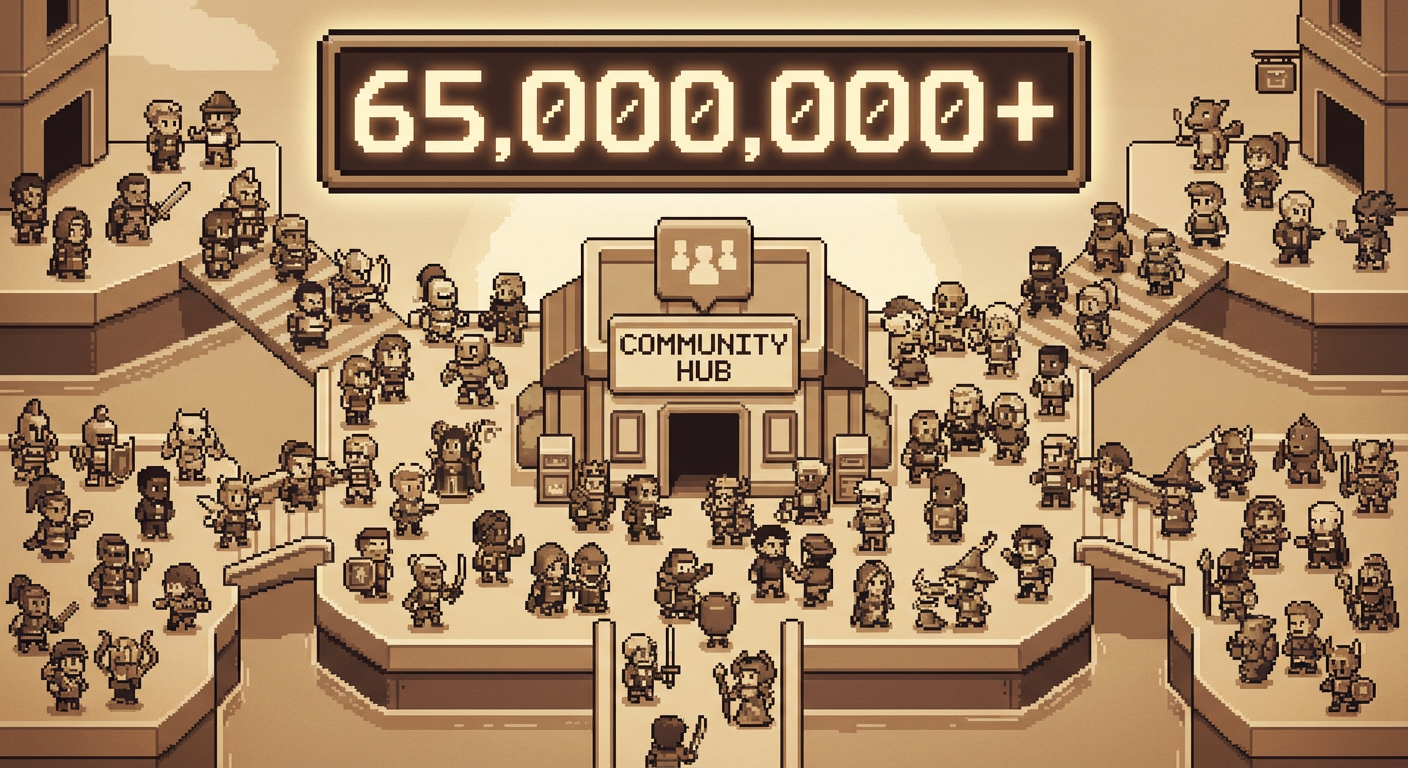
Version 6.4 is nearly five years since Genshin Impact first launched, transforming the mobile gaming space in ways few could have predicted. While many games struggle to maintain relevance after their initial honeymoon period, HoYoverse’s flagship title has consistently defied industry expectations. The game currently has over 65 million monthly active players across all platforms, showing its lasting appeal and the developer’s commitment to continuous evolution.
What makes this longevity particularly impressive is how the game has managed to stay financially robust while expanding its scope. Genshin Impact maintains its position among the top 10 highest-grossing mobile games globally, proving that player engagement and revenue success can coexist when developers prioritize long-term vision over short-term gains.
Long-Awaited Characters Finally Take the Stage
Nothing captures Genshin Impact’s patient storytelling approach better than the recent release of Varka as a playable character. For years, this legendary figure existed only in whispered conversations and casual references throughout Mondstadt’s storyline. Players speculated endlessly about his eventual appearance, building theories and expectations that seemed almost impossible to fulfill.
The decision to finally make Varka playable is more than just fan service. It shows HoYoverse’s understanding that anticipation, when properly managed, can enhance rather than diminish a character’s impact. By allowing the community to form emotional connections through storytelling before revealing the character’s gameplay mechanics, the developers created a release that felt both inevitable and surprising.
This approach to character development reflects a broader philosophy that has kept Genshin Impact fresh. Rather than rushing to capitalize on every popular character concept, the team has shown remarkable restraint in building narrative foundations that make each new addition feel meaningful within the larger world they’ve constructed.
Expanding Horizons with Nod Krai and Beyond
Regional expansion has always been central to Genshin Impact’s appeal, but the introduction of Nod Krai shows how the development team continues refining their approach to world-building. This new region doesn’t simply add landmass for the sake of content volume. Instead, it introduces fresh exploration mechanics and environmental storytelling techniques that build upon lessons learned from previous regions.
The Genshin Impact official team has shown remarkable consistency in creating regions that feel distinct yet cohesive within the broader world of Teyvat. Each new area brings unique cultural elements, gameplay challenges, and narrative threads that weave naturally into the overarching story. Nod Krai continues this tradition while pushing boundaries in terms of environmental design and player interaction.
What sets these expansions apart from typical DLC content is their integration with existing systems. New regions don’t exist in isolation but enhance and expand upon mechanics players have already mastered. This approach ensures that veteran players feel rewarded for their investment while newcomers can still find accessible entry points into the expanding world.
Innovation Through Community and Collaboration
Version Luna II introduced user-generated content tools that represent a significant shift in how HoYoverse approaches community engagement. These tools don’t simply allow players to create cosmetic modifications or simple challenges. Instead, they provide sophisticated systems for crafting meaningful gameplay experiences that other players can discover and enjoy.
The implementation reflects careful consideration of both creative freedom and quality control. Rather than opening floodgates that might dilute the core experience, the tools guide creators toward content that enhances rather than fragments the game’s identity. This balance between accessibility and curation has resulted in a steady stream of community-created content that feels authentic to Genshin Impact’s aesthetic and gameplay philosophy.
Perhaps even more intriguing is the collaboration with Duolingo, which merges language learning objectives with in-game events and rewards. This partnership shows how established games can find innovative ways to expand their cultural footprint without abandoning core gameplay principles. Players can now pursue linguistic goals alongside their usual adventure objectives, creating educational value that extends far beyond entertainment.
Sustaining Excellence in a Competitive Market
Five years into its lifecycle, Genshin Impact faces challenges that didn’t exist during its initial launch period. The gacha game market has become increasingly sophisticated, with new titles regularly pushing technological and design boundaries. Player expectations have evolved accordingly, demanding not just regular content updates but genuine innovation with each major release.
HoYoverse has responded by treating each version update as an opportunity to refine and expand upon existing systems rather than simply adding new content. This philosophy extends to community resources as well, with platforms like the Genshin wiki and guides becoming increasingly sophisticated as the game’s complexity has grown. The symbiotic relationship between official development and community knowledge-sharing has created an ecosystem that supports both casual exploration and deep mechanical understanding.
The game’s continued financial success amid intense competition suggests that players value consistency and long-term vision over flashy gimmicks. Genshin Impact’s approach of building upon established strengths while carefully introducing new elements has created a stable foundation that can support years of additional development without losing its essential character.
As Version 6.4 approaches, Genshin Impact proves that live service games can maintain both artistic integrity and commercial viability over extended periods. The key lies in understanding that evolution doesn’t require revolution, and that sometimes the most profound changes happen gradually, one carefully considered update at a time.
Keeping up with the pace of change across gacha gaming and mobile entertainment is a full-time job. metatrend.app does a lot of that work for you, worth checking out if these topics are on your radar.
Whether you’re deep in this scene or watching from the edges, the dynamics here are shaping where things go next. What’s on your playlist right now?