The Afterlife of Digital Worlds
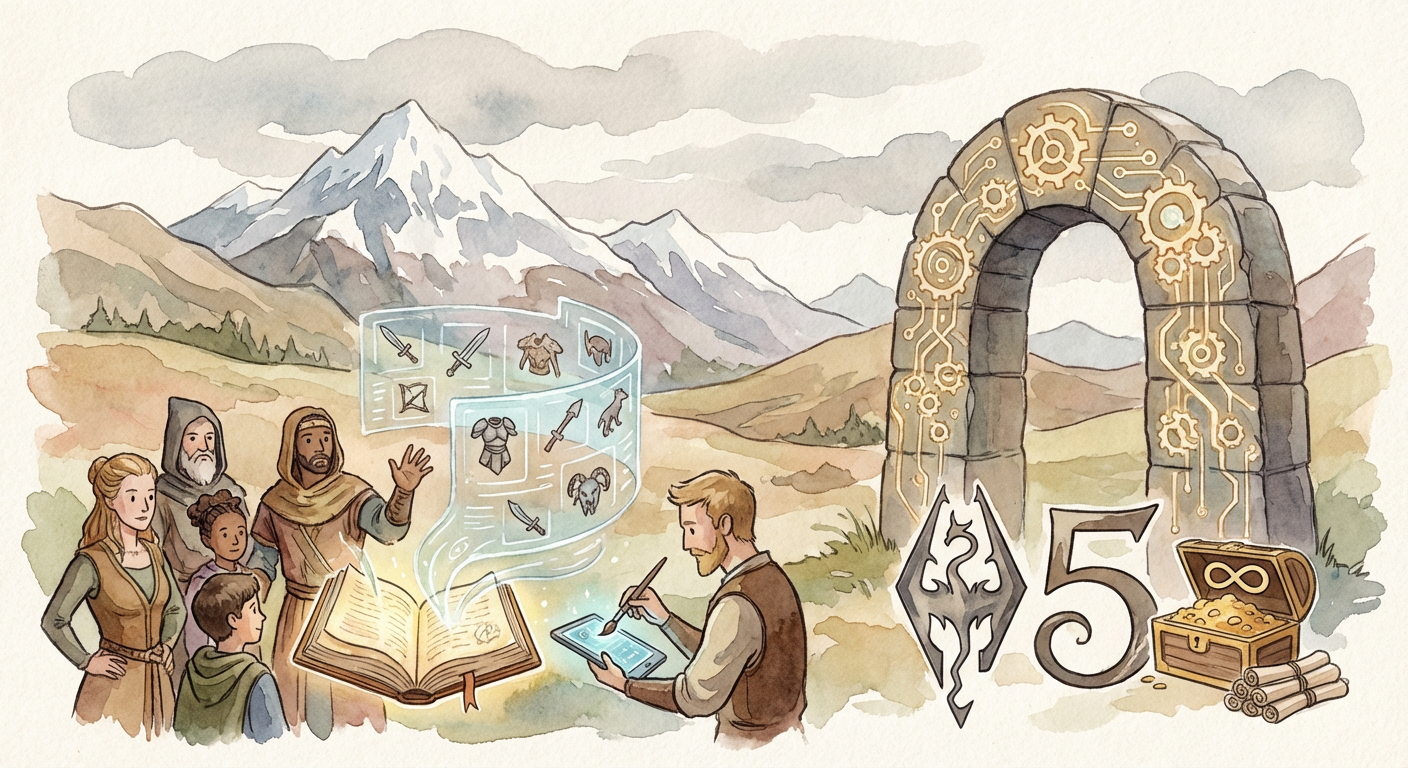
There’s something almost mystical about watching a game refuse to die. Not in the corporate sense of annual sequels or remasters, but in the organic way communities breathe new life into aging code. Fifteen years after its release, Skyrim continues to thrive with over one hundred thousand modifications available across various platforms. The game we remember from 2011? It’s barely recognizable compared to what modders experience today, transformed by everything from visual overhauls to complete gameplay reimaginings.
This phenomenon stretches far beyond Bethesda’s fantasy realm. Minecraft’s modding ecosystem generates billions of downloads each year, creating a parallel universe of content that dwarfs the base game’s scope. These aren’t just cosmetic tweaks or quality-of-life improvements. We’re talking about fundamental reconstructions that challenge our understanding of what the “original” experience even was. The nostalgia we feel for these games gets complicated when the version we’re remembering might never have actually existed in the vanilla release.
The rose-tinted glasses of memory often hide a truth that might sting a little: many of our fondest gaming experiences were actually the result of community intervention. That perfectly balanced difficulty curve, those gorgeous visual effects, even basic functionality we took for granted often came from dedicated modders working for free. The games industry has been built on the unpaid labor of passionate fans. Only recently has this relationship begun to shift toward something more equitable, and honestly, it’s about time.
The Economics of Extended Life
Game companies have gradually woken up to the goldmine hiding in their communities. What began as unofficial tinkering has become sophisticated distribution networks that generate real revenue. Steam Workshop transformed mod sharing from a technical hurdle into a streamlined marketplace, taking its cut while giving creators unprecedented reach. The Nexus Mods platform hosts millions of modifications, representing countless hours of unpaid development work that extends game lifespans by decades.
This monetization shift reveals some uncomfortable truths about the gaming industry’s relationship with its most devoted fans. Publishers now actively court modding communities, not out of generosity, but because user-generated content is free development labor and extended product lifecycles rolled into one. The same companies that once sent cease-and-desist letters now provide official modding tools and take percentage cuts from sales. It’s a fascinating evolution from antagonism to symbiosis, though the power dynamics remain pretty unbalanced.
The financial success of platforms like CurseForge mod platform shows the massive scale of community-driven content creation. These ecosystems now rival traditional game sales in their economic impact, creating a secondary market that operates alongside official releases. Yet for every success story, hundreds of talented modders remain unpaid for work that directly benefits corporate bottom lines.
Legal Limbo and Creative Freedom
The most fascinating developments happen when modding communities tackle abandoned intellectual properties. Fan-made remasters of classic games exist in perpetual legal gray areas, simultaneously preserving gaming history and potentially infringing on dormant copyrights. These projects represent pure passion divorced from commercial interests, yet they often surpass official efforts in quality and attention to detail.
Publishers face tough decisions when confronted with these labor-of-love projects. Allowing them to continue risks setting precedents for IP usage, while shutting them down generates negative publicity and destroys valuable preservation work. The result is an inconsistent patchwork of enforcement that leaves creators uncertain about which projects will survive legal scrutiny. Some companies have embraced fan remasters, while others have aggressively protected properties they have no intention of developing themselves.
This uncertainty kills innovation and creates a chilling effect on ambitious community projects. The threat of legal action hovers over every significant modding project, forcing creators to make calculated risks about how much time and energy to invest in their passion projects. The gaming industry loses potential talent and innovation when legal frameworks fail to accommodate the reality of community creativity.
The Professional Pipeline
Perhaps the most interesting impact of modding communities is their role as informal training grounds for future industry professionals. The skills required for successful modding translate directly into game development careers, from 3D modeling and level design to programming and project management. Many of today’s leading developers cut their teeth creating modifications for games they loved, learning industry-standard tools through trial and error.
This pathway from fan to professional creates a unique feedback loop within the gaming industry. Developers who emerged from modding communities understand player desires with unusual intimacy, having spent years responding to community feedback and iterating on their creations. They bring perspectives that traditional academic or corporate training programs can’t provide, grounded in real-world experience with player engagement and community management.
The irony is striking: companies now actively recruit from the same modding communities they once viewed with suspicion. Portfolio reviews increasingly include modification work alongside traditional projects, recognizing that community engagement and technical skill often go hand in hand. The most valuable employees may be those who understand both the technical and social aspects of game development, skills naturally developed through years of modding experience.
The Persistent Question of Ownership
Looking back at fifteen years of Skyrim modifications or a decade of Minecraft community content, we have to confront uncomfortable questions about creative ownership and cultural memory. These games have become collaborative artworks, shaped as much by their communities as their original developers. Yet legal frameworks still treat them as corporate products, with modders holding weak rights to their own creative contributions.
The games we remember loving may have been fundamentally different experiences than what shipped in retail boxes. Our nostalgia gets layered with community improvements, bug fixes, and content additions that we unconsciously absorbed into our personal gaming mythology. When we recommend classic games to new players, are we suggesting they play the original versions or the community-enhanced experiences we actually enjoyed?
This blurring of boundaries between official and community content represents a new form of digital folk art. Modding communities create living, breathing interpretations of static source material, continuously evolving games in response to changing player needs and technological capabilities. The question isn’t whether these communities extend game longevity, but whether they’ve fundamentally redefined what it means for a game to be “complete.”
What’s your relationship with modded games versus their vanilla counterparts? Do you find yourself returning to the original experiences or the community-enhanced versions that shaped your memories? The conversation about modding and game longevity touches every corner of our gaming culture, and I’d love to hear how it’s affected your own gaming history.