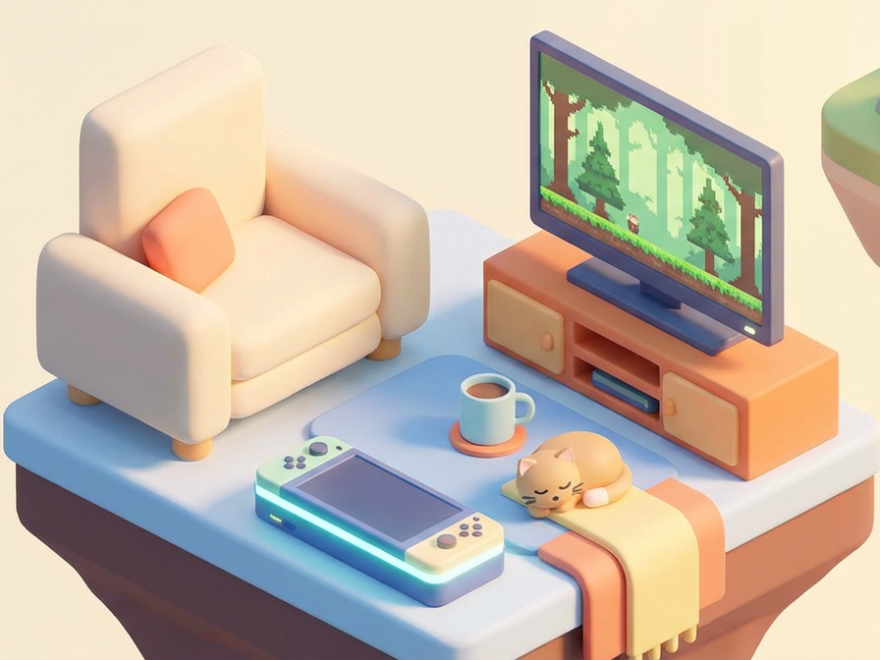
The Great Comfort Gaming Migration of 2024
Something beautiful is happening in gaming right now, and it’s not about the latest AAA spectacle or competitive esports phenomenon. Walk into any gaming Discord server, scroll through social media, or just listen to conversations at your local game shop, and you’ll hear the same thing over and over: people want games that feel like a warm hug. We’re talking about titles that put comfort over challenge, community over competition, and genuine joy over manufactured engagement metrics.
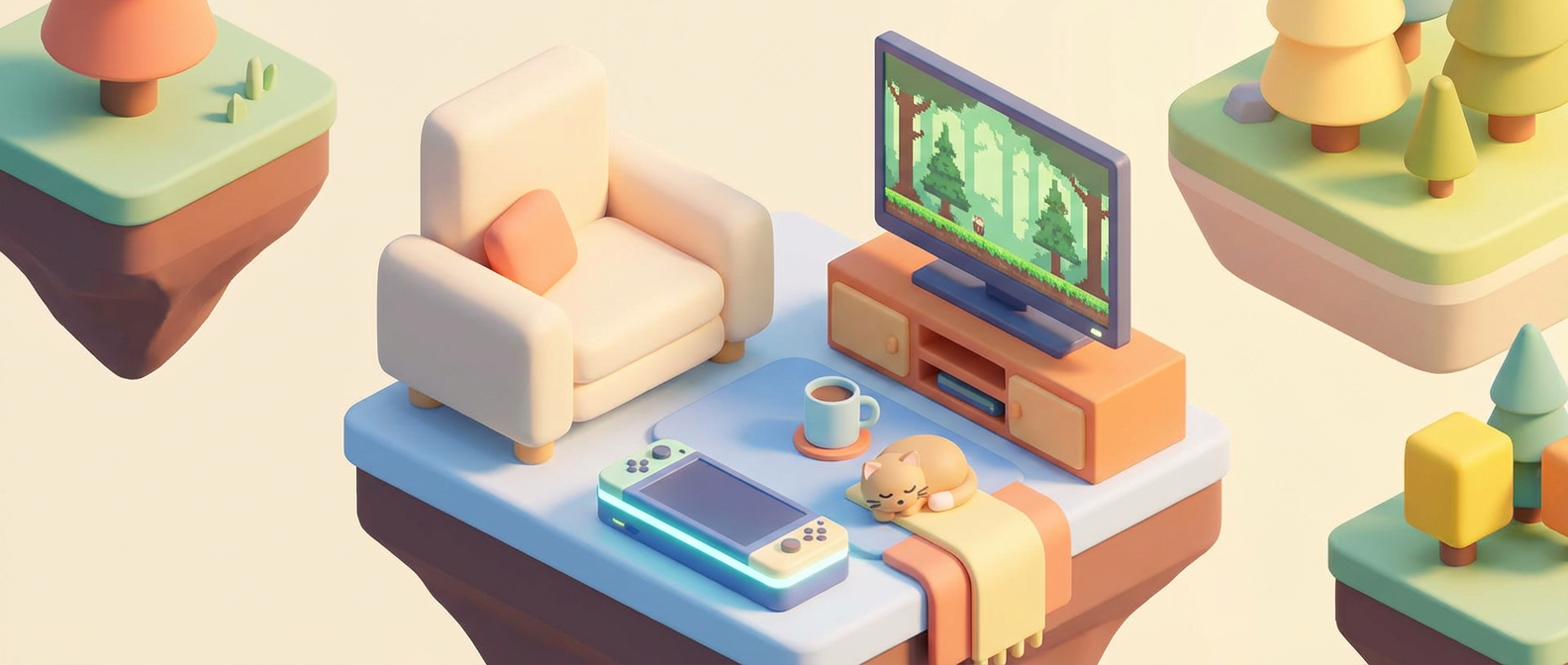
This isn’t just a trend, it’s a wholesale rejection of gaming’s loudest-equals-best philosophy. After years of being told that bigger, louder, and more intense automatically equals better, players are voting with their wallets and their time for something completely different. Games like Coffee Talk, A Short Hike, and Unpacking aren’t just selling well. They’re creating genuine emotional connections with players who are hungry for experiences that respect their mental space rather than assault it.
The sales numbers tell one story, but the community conversations tell the real one. When someone posts about finally finishing their perfect farm layout in Stardew Valley at 2 AM, or shares a screenshot of their meticulously arranged apartment in Animal Crossing, the responses aren’t about optimization or efficiency. They’re about recognition, shared joy, and the simple pleasure of creating something beautiful in a digital space that feels genuinely yours.

The Unsung Heroes Making Magic Happen
Behind every cozy gaming experience that captures hearts, there’s usually a small team of developers who understand something fundamental that big studios often miss: intimacy scales inversely with team size. Take Ghost Town Games, the tiny British studio behind Overcooked. While their games can get chaotic, the underlying design philosophy is pure comfort food. Simple mechanics, charming art, and the kind of local co-op experience that brings families together rather than driving them apart.
Then there’s Finji, the indie publisher that has become synonymous with thoughtful, atmospheric experiences. Their catalog reads like a love letter to players who want to feel something genuine: Night in the Woods, GRIS, Tunic. These aren’t games designed by committee or focus-tested into sterile perfection. They’re passion projects that happened to find massive audiences because they dared to be vulnerable and real.
What makes these developers special isn’t just their creative vision, it’s their relationship with their communities. When Daniel Mullins Games released Inscryption, they didn’t just drop it and disappear. They engaged with fan theories, celebrated speedrunners, and genuinely seemed to delight in watching players discover all the hidden layers they’d carefully crafted. This is community-first development, where the conversation between creators and players feels like genuine collaboration rather than marketing theater.
Why Your Comfort Game Library Matters More Than Ever
Here’s something the gaming industry still doesn’t quite understand: your comfort game rotation isn’t a guilty pleasure or a step down from “real” gaming. It’s essential infrastructure for mental health and creative inspiration. These are the titles you return to when the world feels overwhelming, when you need to remember that digital spaces can be nurturing rather than extractive.
The community around cozy gaming has developed its own vocabulary and values that stand in stark contrast to mainstream gaming culture. Instead of speedrunning to completion, players share “slow gaming” experiences where the journey matters more than any destination. Instead of min-maxing for optimal efficiency, there are entire forums dedicated to the art of deliberate inefficiency. Players who choose the scenic route, who put aesthetics over functionality, who find joy in doing things the “wrong” way because it feels more human.
This isn’t escapism in the traditional sense. It’s active self-care through interactive media. When someone spends hours carefully arranging furniture in their Animal Crossing home or tending crops in My Time at Portia, they’re not avoiding reality. They’re practicing the kind of mindful, intentional living that feels increasingly impossible in our hyperconnected world. These games provide scaffolding for the kind of presence and attention that we’re all struggling to maintain.
The most powerful thing about cozy gaming communities is how they’ve redefined what gaming achievement looks like. Screenshots of perfectly organized inventories get as much celebration as world record speedruns. Stories about helping a friend through a difficult time by playing Journey together carry the same weight as tournament victories. This is a fundamental shift in values that’s happening from the ground up, driven by players who refuse to accept that gaming has to be about dominance and competition.
The Future Is Already Here (And It’s Adorable)
The beautiful thing about where cozy gaming is headed is that it’s not really about predicting anything. It’s about recognizing what’s already happening in communities that major gaming media often overlooks. Independent developers are creating experiences that put emotional resonance over technical spectacle, and finding massive audiences hungry for exactly that kind of authenticity.
Look at what’s happening with games like Spiritfarer, where the core mechanic is literally about helping souls find peace and saying goodbye with grace. Or consider how Slime Rancher built an entire universe around the simple joy of caring for adorable creatures without any violence or conflict. These aren’t niche curiosities, they’re foundational experiences that are reshaping what players expect from interactive entertainment.
The most exciting developments aren’t coming from established studios trying to cash in on the “cozy trend.” They’re emerging from bedroom developers who understand that technology should help human connection rather than replace it. Games that encourage players to call friends, share stories, and create something beautiful together. Experiences that respect your time, honor your need for peace, and trust that genuine engagement doesn’t require artificial urgency or manufactured scarcity.
What games have been your refuge lately? I’m always hunting for hidden gems and would love to hear about the titles that have been providing comfort in your corner of the gaming world. Whether it’s a decade-old DS game you just discovered or an indie darling that deserves more recognition, drop a comment and let’s build the kind of recommendation list that actually understands what we’re all looking for right now.