The Price Point Nobody Expected Nintendo to Cross
Let’s address the elephant in the room first. The Nintendo Switch 2 launched at $449.99 USD, and I watched the internet collectively hold its breath. This is the first mainline Nintendo home console to break the $300 barrier in the modern era. The original Switch launched at $299. The Wii launched at $249. This was a gamble, and honestly, I understand why people felt caught off guard.
Here’s the thing though: Nintendo didn’t just add $150 and call it a day. The Nintendo Switch 2 official specs and features represent a legitimate generational leap. We’re talking about a 1080p OLED screen in handheld mode that makes the original Switch’s 1080p LCD look quaint by comparison. The dock pushes 4K output. The processing power is genuinely substantial. When I held the hardware for the first time, the build quality alone justified a chunk of that premium to me. But I also get it if you need to make peace with the price separately from the hardware itself.
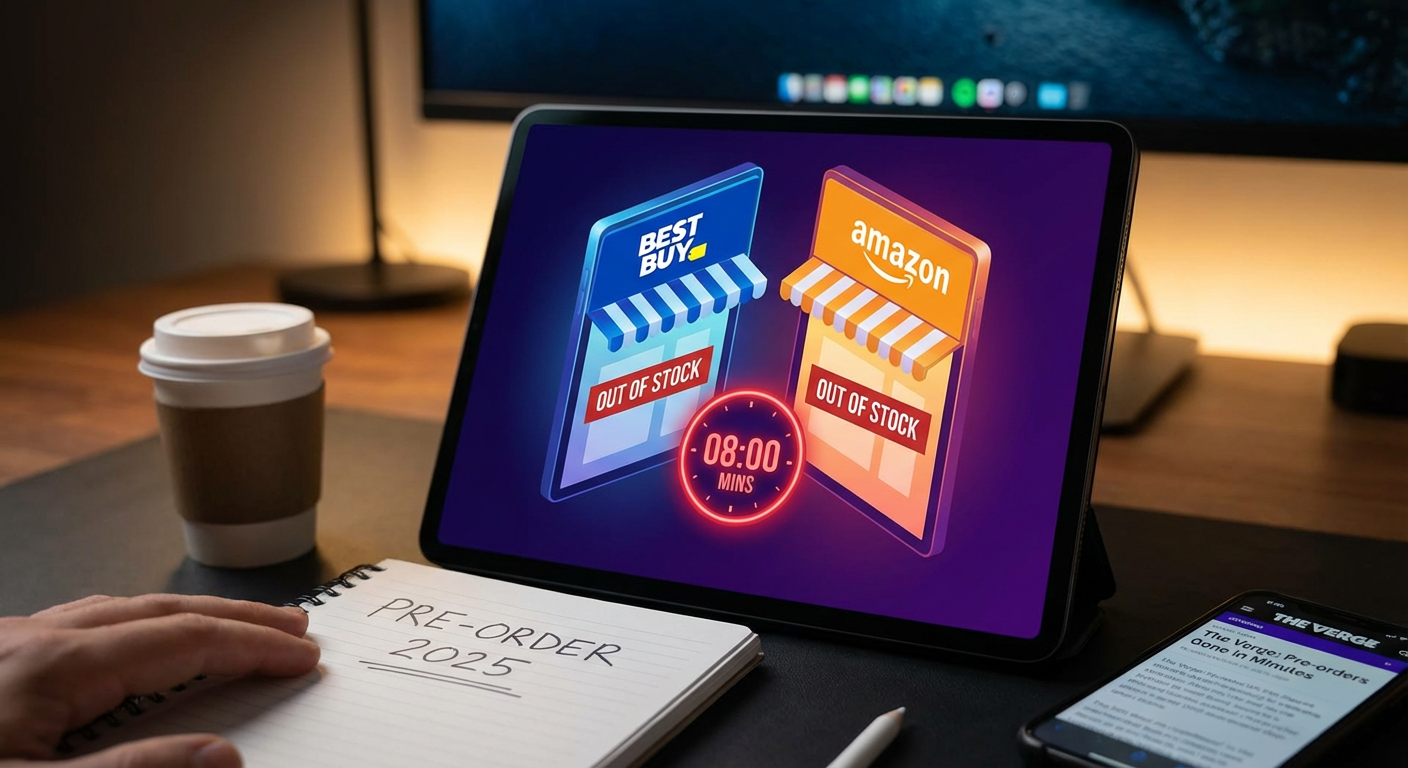
The pre-order window tells you everything you need to know about demand. Both Amazon US and Best Buy saw stock evaporate in eight minutes during February 2025. Eight minutes. People weren’t taking a wait-and-see approach. They were pulling the trigger.
Mario Kart World and the Launch Title We Actually Wanted
Nintendo’s major launch window game is Mario Kart World, and I’m genuinely going to die on the hill that this is the best Mario Kart since Double Dash. The game sold 4.1 million copies in its first two weeks according to Nintendo Q1 FY2026 earnings release data, and unlike some launch titles that feel obligatory, this one actually makes the hardware sing.
What makes Mario Kart World work is the track design philosophy. Nintendo took genuine risks here. The gravity mechanics from Mario Kart 8 Deluxe have evolved into something that feels fresh rather than recycled. There’s a track set in what appears to be a retro gaming arcade built on actual circuit boards, and the way the game handles collision and terrain interaction on that stage alone shows the development team understood the assignment. This isn’t a side quest title. This is core Mario Kart DNA.
The battle modes are where I spent the most time though. Coin Runners now has environmental hazards that change throughout the match, and the strategic layer that adds is legitimately sophisticated. You’re not just collecting coins. You’re reading the map rotation, predicting where hazards spawn, and positioning accordingly. It’s the kind of depth that keeps returning players invested past the honeymoon period.
The Growing Pains: What’s Actually Broken and What’s Just Inconvenient
The Switch 2 launch had friction, and I’m not going to pretend it didn’t. The Joy-Con connectivity issues reported by early adopters in the first week were real. Some units experienced latency spikes during handheld gaming, particularly when the console was held in certain positions or when other wireless devices were nearby. Nintendo addressed this with a day-one patch, but the fact that it shipped in that state is worth mentioning. This is a tier-two issue for me, meaning it’s annoying enough to mention but not disqualifying.
The bigger growing pain is the software library outside of Mario Kart World. Launch week had exactly three major releases. Three. Mario Kart World. A remastered Zelda title. A new Fire Emblem game. After that, you’re looking at porting older titles, indie offerings, and a few third-party games that feel more at home on PlayStation or Xbox. I love indie games, genuinely, but when you’re asking someone to spend $449 on hardware, the software ecosystem conversation can’t be dismissed.
That said, months two through six look significantly stronger. There’s a new Metroid game that’s been in development, a rumored Mario RPG sequel, and several third-party commitments that suggest real confidence in the platform. The launch window weakness is real, but it’s not a referendum on the console’s viability.
The Sales Numbers: Context Matters More Than Raw Figures
Nintendo moved 2.1 million Switch 2 units in the launch month. That number is lower than the original Switch’s 2.74 million first-month sales. I’ve already seen takes calling this a disappointment, and I need to be direct: those takes are missing the forest for a tree.
The original Switch launched during a cultural moment when people were still discovering it as a revolutionary concept. It was genuinely impossible to find for months. The Switch 2 faced a different environment. Supply constraints were more managed. Distribution was more mature. Pre-orders sold out in minutes, suggesting demand that simply couldn’t be fulfilled in the first thirty days. When you account for channel constraints rather than demand signals, the 2.1 million number looks like a supply problem masquerading as a sales problem.
More importantly, Nintendo is already tracking ahead of the GameCube’s entire lifetime US sales pace based on launch month figures. The console people cite as Nintendo’s last major stumble is being lapped by the Switch 2 in a single month. That context matters when we’re evaluating whether this hardware has legs in the market.
The Verdict: Is the $449 Price Tag Worth It?
Here’s my honest assessment: the Switch 2 at $449 is worth it if you value portable gaming flexibility, first-party software quality, and ecosystem continuity. If you primarily play AAA titles on other platforms and view Nintendo as a secondary purchase, this is a harder sell at that price. That’s not a failure of the console. That’s just clarity about who it’s actually for.
The hardware is legitimately impressive. The software library needs time to mature, but the foundation is solid. The price is high, but it’s not inexplicable when you examine the engineering. The launch window has friction, but nothing that’s going to prevent the console from building momentum over the next eighteen months.
I spent a month with the Switch 2, and I’m genuinely curious to see how it evolves. That curiosity comes with caveats about the launch window library and the price conversation. But if you’re the person who just needs to play the new Mario Kart and Zelda on a beautiful portable screen, you probably don’t regret that purchase decision.
What’s your first month experience been? Are you sitting with a Switch 2, or are you still watching from the sidelines trying to decide if the investment makes sense for your gaming life? I want to hear what you’re actually playing, what disappointed you, and whether that price tag stings or feels justified. Drop your thoughts in the comments.